
Why Sleep Is Critical for Toddler Brain Development
Discover why sleep is essential for toddler brain development and learning. Learn how healthy sleep routines support memory, behavior, and early growth.
IMPORTANCE OF SLEEP
Charley
3/22/20264 min read
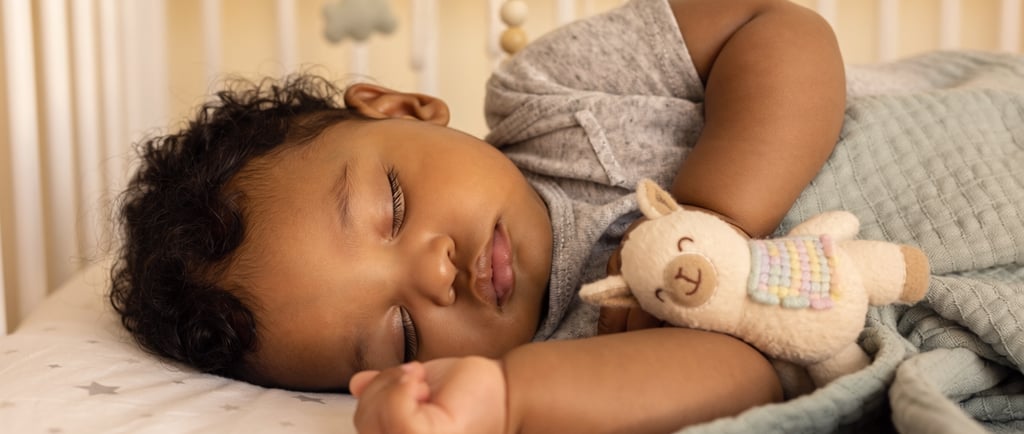

A Parent-to-Parent, Science-Backed Guide
Sleep is not just rest. It is one of the most powerful building blocks of your child’s growth, learning, and emotional well-being.
During the early years, from birth to age five, your child’s brain is developing faster than it ever will again. And a big part of that development happens while they sleep.
At Little Sprouts Learning Hub, we talk a lot about play, movement, and everyday learning. But none of that sticks without one key piece working behind the scenes. Sleep.
Let’s break it down in real-life parent language so you can understand what is actually happening and why it matters so much.
🧠 Sleep Builds the Brain
When your child is asleep, their brain is not shutting down. It is working.
During sleep, the brain organizes information, strengthens connections, and supports development in areas like language, memory, and problem-solving.
Research shows that sleep plays a critical role in:
memory development
language learning
executive function, including focus, impulse control, and behavior
So when your child sleeps, they are not “doing nothing.” They are processing everything they learned that day.
⏰ Sleep Helps Learning Stick
Think of sleep as the moment your child’s brain hits “save.”
Throughout the day, your child is constantly learning through play, conversation, and exploration. Sleep is what helps turn those moments into lasting knowledge.
Sleep supports:
memory consolidation
vocabulary growth
attention and focus
A well-rested child is more engaged, more curious, and more ready to learn.
🙂 Sleep Supports Emotional Regulation
If your toddler has ever had a short nap and then melted down by dinner, you have already seen this in action.
Sleep directly impacts how children handle emotions.
Well-rested children are more likely to:
manage frustration
stay calmer during transitions
engage socially
When children are overtired, their nervous system is overwhelmed. That shows up as tantrums, impulsive behavior, and emotional overload.
This is not behavior. This is biology.
🌱 Sleep Supports Overall Development
Sleep affects more than mood and learning. It plays a role in your child’s full-body development.
Healthy sleep supports:
physical growth
immune system strength
metabolic health
brain structure development
In simple terms, sleep helps your child grow stronger, inside and out.
🧩 Sleep Patterns Matter
How much sleep your child gets matters. But consistency matters just as much.
Recommended Sleep by Age (Including Naps)
Newborns (0–3 months): 14 to 17 hours
Infants (4–12 months): 12 to 16 hours
Toddlers (1–2 years): 11 to 14 hours
Preschoolers (3–5 years): 10 to 13 hours
Children who have consistent routines tend to:
fall asleep faster
wake less during the night
sleep longer overall
have better behavior during the day
Even simple routines like bath, book, and a calm moment can signal to your child’s brain that it is time to wind down.
💛 When Sleep Doesn’t Go According to Plan
Let’s talk real life for a second.
Practice what you preach, right? Maybe.
With my first born, creating a schedule felt structured and predictable. She responded to routine in a way that made me feel like I had it all figured out.
Then my second came along.
He is always ready to play. Always fighting sleep. The kind of child who treats bedtime like a suggestion.
And some days, the schedule just falls apart.
Long road trip.
They nap three times in the car.
You finally get home.
It is bedtime.
They are wide awake.
You go on a date night.
You come home ready to relax.
The sitter let them nap too late.
Now your little sprout is up like it is the middle of the day.
It will happen. I promise.
One off night does not undo healthy sleep habits. One late bedtime does not damage your child’s development.
Sleep is built on patterns, not perfection.
Children are resilient. Their bodies reset. Tomorrow is another chance to get back into rhythm.
You do not need perfect. You need consistent over time.
You will be fine. And your little sprout will be too.
🌈 For Children Who Need Extra Support
Some children need a little more support when it comes to sleep. This includes children with sensory sensitivities, developmental differences, or challenges with transitions.
The science still applies. It just may look a little different in practice.
🧠 Routines Matter Even More
Predictable routines help the nervous system shift from active to calm. This is especially helpful for children who struggle with transitions.
✨ Environment Plays a Big Role
Small adjustments can make a big difference:
dim lighting
reduced noise
consistent sleep cues
soft textures or familiar objects
🤍 Every Child Is Different
Some children need more time, more support, or a different approach. That does not mean something is wrong.
If sleep struggles are ongoing or impacting daily life, your pediatrician can help guide you toward strategies that fit your child.
The goal is not sameness. The goal is support.
🏠 What You Can Do Tonight
Keep it simple. Start here:
✔ Set a consistent bedtime
✔ Create a short wind-down routine
✔ Keep the sleep space calm and quiet
✔ Limit screens before bed
✔ Watch for early sleepy signs
You do not need a perfect system. You just need a rhythm your child can rely on.
🌟 Final Takeaway
Sleep in early childhood is not optional. It is foundational.
It supports:
✔ brain development
✔ learning and memory
✔ emotional regulation
✔ physical growth
✔ everyday behavior
The small habits you build around sleep today shape how your child learns, feels, and grows tomorrow.
And the best part?
You do not need to be perfect to get it right.
📚 Research Spotlight
Centers for Disease Control and Prevention (2021). Sleep Duration Recommendations for Children.
Mindell, J. A., Williamson, A. A. (2018). Benefits of a Bedtime Routine in Young Children.
Tham, E. K. H., Schneider, N., Broekman, B. F. P. (2017). Infant Sleep and Its Relation with Cognition and Growth.
Beaugrand, M., Jarraya, S., et al. (2023). Sleep as a Protective Factor of Children’s Executive Functions